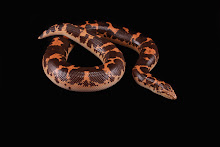
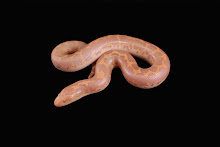
We are excited to be vending the Memphis Repticon show in Stonehaven Mississippi. This is our first time at the show and we really have no idea what to expect other than to enjoy meeting new people and learning a new area of the Country.
We are bringing a large number of Kenyans Sand Boas, from adult females to 2010 well started normals, anery's, rufescens, stripes, snows, snow paradoxes, albino Kenyan Sand boas. We also are bringing a nice almost adult Greek Tortoises pair some nice red foot tortoises. Look forward to seeing you there.
Thursday, April 28, 2011
We will be at Memphis Repticon This Weekend!
Labels:
Albino,
Anery,
Anerythristic,
Boa,
Buy,
Dodoma,
For Sale,
Kenyan Sand Boa,
Morphs,
Nuclear,
Paradox,
Repticon,
Reptile Show,
Rufescen,
Sand Boa,
Snake Pictures,
Snow,
Splash,
Stripe,
Yellow Snow
| Reactions: |
Tuesday, April 12, 2011
Dealing with eating issues in general…WAIT!!!!
I told you a couple weeks ago you weren’t the only one dealing with males going off feed for spring breeding. I still have adult males since that last post that have not eaten but most of my yearlings and babies have decided that forgoing food wasn’t worth it and have gone back to concentrating on growing and not propagating. Most of my males still off feed are the older ones that move from female tub to female tub this time of year and have reason to be concentrating on propagation. I weigh them monthly and make sure there is no drastic decline in weight and so long as their behavior is normal I let them do their thing during spring.
The ones that really bother me are the ones that go off feed for no apparent reason or arrive at my facility and refuse to eat over a long period of time. I agonize over what steps to take and thought I’d share the more frequent options:
1) Cup the snake at feeding time in a container that is so small your snake barely fits in it with a lid (holes melted in for air, of course). I use this method when I convert my sand boas to frozen thawed pinkies, in fact, all of my baby snakes are offered their first meal in a cup, typically a frozen thawed pinky. The drawback to cupping is if the reason your snake is not eating has to do with stress and/or being uncomfortable in its given environment (which is often the case) by cupping the snake you probably further stress it out and possibly doom it to death or at least make the length of time before it will eat much longer. This method is the first step I take with baby non-eaters. I rarely cup older snakes that go off feed since you know that they can identify food based on their size and history of eating and an older snake going off feed usually indicates medical issues or stress related issues (I’m assuming the snake is not in shed).
2) Change their litter, hides and accessories in their cage and move it to a new location. This method is a good way to moderately change the temperatures of the enclosure by relocating it in another place in your room, rack or house. In addition, it is always possible they are unhappy with the substrate a hide or the lack of hides or the color of the water dish (I jest of course). The bottom line is when an older snake doesn’t eat for three weeks and its not spring time, I move the tub to another location in the rack…I always swap locations with a snake that is a great every week eater. Sometimes you can identify temperature fluctuations in your rack by moving your always eating snake into the never eating snakes slot…suddenly when they switch appetites…you now know its probably a temperature issue. Sometimes it was just the location, maybe the snake next door stays up and hisses all night bugging the hell out of your non-eater, you never know. This is the first step I take with older snakes that go off food. Take note, I wait at least 3 weeks before I take any steps, for whatever reason, snakes just skip meals.
3) Offer much smaller meals to the older snakes than the usual size they eat. Once you start feeding hoppers and mice you have to pre-kill them before feeding them so the prey doesn’t gnaw or bite the aloof hunter (yes, I have experience one horror story where a mouse ate a big hole in one of my snakes, quite frankly, she’s healed but has never been the same). When snakes are feeding well this isn’t a problem, we typically dangle feed our pre-killed mice and hoppers to simulate movement and encourage a hard strike and constriction, Scott Miller told me he really shakes the constricted mice once they wrap it up to help his snakes ‘get some exercise’….and there is probably something to that train of thought. However, if my snake is not eating, he probably isn’t striking at dangled mice so I will throw a fuzzy or two in their tub instead and leave the snake alone so it can eat at its leisure while the fuzzy or pinky writhes and scoots around encouraging a strike.
4) Increase the tub heat which in turn increases their metabolism and will make them more hungry which you hope encourages them to eat. I use this method with newly born non-eating babies. The drawback is that with an increased metabolism they will die faster if they don’t eat….Catch 22. I rarely use this method for older snakes.
5) Wait…wait…and wait some more. If your snake is good size when it goes off feed it can go many months without eating, not that that is healthy but for every step you take to correct the ‘unknown’ problem, you may be exasperating the problem and making it worse. Regularly, I have snakes that have been off feed for 3 or 4 months up and start eating after using this method. After using the method described in two and three for my older snakes I typically go to the wait and see approach. Nine times out of ten they eventually resume eating where they left off. This might sound strange but for some reason I find doing nothing the most difficult thing to do. By nature we want to help and do something which when it comes to snakes is usually the wrong answer. Give your snake the time it needs to ‘reset’ and ‘get right’. During this waiting period, I don’t hold or engage the snake, minimal contact equals minimal stress.
6) Veterinarian visit is the second to last resort for me. The problem with this step is you have to realize that 99% of vets are dog/cat vets. You also have to realize that they are still doctors and have an ego that doesn’t allow them to tell you they really don’t know what is going on. Most professional people don’t want to tell the person paying them money to fix a problem that they either have no clue what is wrong or don’t know what to do….so they hastily look up some stuff on the internet (most of the time not for your specific species of snake) and hand you the print-out as they give the identical recommendation as if the print-out is to prove they are right. Make a note, any time a professional hands you a document to prove they are right, they don’t really know…If you have a great herp vet than hitting the veterinarian should be closer to the top of the list, I know there are great ones out there, everyone just has to be aware that most vets simply don’t have a clue when it comes to reptiles. They just don’t have the experience and there’s not enough money in herp vet specializing to warrant them to get that experience. If you need a vet, email me and we’ll try and find you one through word of mouth. I believe the reptile channel has a link with just that type of information.
7) Force feed….some species do great with force feeding but baby Kenyan sand boas do not….you can use a pinky pump and try and get them started but if they won’t eat after a couple times they probably are not going to eat. Plus, do you really want to keep alive a baby snake that lacks the proper genetics to tell it to eat? It will one day pass those genes on if bred. We’ve tried force feeding in the past and it always seems to end with a dead snake, either the next day or down the road. But, if your snake is obviously about to die, sometimes we do what we have to do.
While this list is not extensive or terribly detailed I wanted to detail some of our snake struggles and let you know your not alone. I also wanted to impress upon you that a snake not eating for a couple weeks or months is not terminal, in fact, doing nothing but offering it food on a regular schedule may be the only and best thing you can do. So the next time your snake doesn’t eat, don’t pack him up and run him to the vet or shove a food item down his throat against his will, just Wait.
Mark@LHAlegal.com
The ones that really bother me are the ones that go off feed for no apparent reason or arrive at my facility and refuse to eat over a long period of time. I agonize over what steps to take and thought I’d share the more frequent options:
1) Cup the snake at feeding time in a container that is so small your snake barely fits in it with a lid (holes melted in for air, of course). I use this method when I convert my sand boas to frozen thawed pinkies, in fact, all of my baby snakes are offered their first meal in a cup, typically a frozen thawed pinky. The drawback to cupping is if the reason your snake is not eating has to do with stress and/or being uncomfortable in its given environment (which is often the case) by cupping the snake you probably further stress it out and possibly doom it to death or at least make the length of time before it will eat much longer. This method is the first step I take with baby non-eaters. I rarely cup older snakes that go off feed since you know that they can identify food based on their size and history of eating and an older snake going off feed usually indicates medical issues or stress related issues (I’m assuming the snake is not in shed).
2) Change their litter, hides and accessories in their cage and move it to a new location. This method is a good way to moderately change the temperatures of the enclosure by relocating it in another place in your room, rack or house. In addition, it is always possible they are unhappy with the substrate a hide or the lack of hides or the color of the water dish (I jest of course). The bottom line is when an older snake doesn’t eat for three weeks and its not spring time, I move the tub to another location in the rack…I always swap locations with a snake that is a great every week eater. Sometimes you can identify temperature fluctuations in your rack by moving your always eating snake into the never eating snakes slot…suddenly when they switch appetites…you now know its probably a temperature issue. Sometimes it was just the location, maybe the snake next door stays up and hisses all night bugging the hell out of your non-eater, you never know. This is the first step I take with older snakes that go off food. Take note, I wait at least 3 weeks before I take any steps, for whatever reason, snakes just skip meals.
3) Offer much smaller meals to the older snakes than the usual size they eat. Once you start feeding hoppers and mice you have to pre-kill them before feeding them so the prey doesn’t gnaw or bite the aloof hunter (yes, I have experience one horror story where a mouse ate a big hole in one of my snakes, quite frankly, she’s healed but has never been the same). When snakes are feeding well this isn’t a problem, we typically dangle feed our pre-killed mice and hoppers to simulate movement and encourage a hard strike and constriction, Scott Miller told me he really shakes the constricted mice once they wrap it up to help his snakes ‘get some exercise’….and there is probably something to that train of thought. However, if my snake is not eating, he probably isn’t striking at dangled mice so I will throw a fuzzy or two in their tub instead and leave the snake alone so it can eat at its leisure while the fuzzy or pinky writhes and scoots around encouraging a strike.
4) Increase the tub heat which in turn increases their metabolism and will make them more hungry which you hope encourages them to eat. I use this method with newly born non-eating babies. The drawback is that with an increased metabolism they will die faster if they don’t eat….Catch 22. I rarely use this method for older snakes.
5) Wait…wait…and wait some more. If your snake is good size when it goes off feed it can go many months without eating, not that that is healthy but for every step you take to correct the ‘unknown’ problem, you may be exasperating the problem and making it worse. Regularly, I have snakes that have been off feed for 3 or 4 months up and start eating after using this method. After using the method described in two and three for my older snakes I typically go to the wait and see approach. Nine times out of ten they eventually resume eating where they left off. This might sound strange but for some reason I find doing nothing the most difficult thing to do. By nature we want to help and do something which when it comes to snakes is usually the wrong answer. Give your snake the time it needs to ‘reset’ and ‘get right’. During this waiting period, I don’t hold or engage the snake, minimal contact equals minimal stress.
6) Veterinarian visit is the second to last resort for me. The problem with this step is you have to realize that 99% of vets are dog/cat vets. You also have to realize that they are still doctors and have an ego that doesn’t allow them to tell you they really don’t know what is going on. Most professional people don’t want to tell the person paying them money to fix a problem that they either have no clue what is wrong or don’t know what to do….so they hastily look up some stuff on the internet (most of the time not for your specific species of snake) and hand you the print-out as they give the identical recommendation as if the print-out is to prove they are right. Make a note, any time a professional hands you a document to prove they are right, they don’t really know…If you have a great herp vet than hitting the veterinarian should be closer to the top of the list, I know there are great ones out there, everyone just has to be aware that most vets simply don’t have a clue when it comes to reptiles. They just don’t have the experience and there’s not enough money in herp vet specializing to warrant them to get that experience. If you need a vet, email me and we’ll try and find you one through word of mouth. I believe the reptile channel has a link with just that type of information.
7) Force feed….some species do great with force feeding but baby Kenyan sand boas do not….you can use a pinky pump and try and get them started but if they won’t eat after a couple times they probably are not going to eat. Plus, do you really want to keep alive a baby snake that lacks the proper genetics to tell it to eat? It will one day pass those genes on if bred. We’ve tried force feeding in the past and it always seems to end with a dead snake, either the next day or down the road. But, if your snake is obviously about to die, sometimes we do what we have to do.
While this list is not extensive or terribly detailed I wanted to detail some of our snake struggles and let you know your not alone. I also wanted to impress upon you that a snake not eating for a couple weeks or months is not terminal, in fact, doing nothing but offering it food on a regular schedule may be the only and best thing you can do. So the next time your snake doesn’t eat, don’t pack him up and run him to the vet or shove a food item down his throat against his will, just Wait.
Mark@LHAlegal.com
Labels:
Albino,
Anery,
Anerythristic,
Boa,
Buy,
Dodoma,
For Sale,
Kenyan Sand Boa,
Morphs,
Nuclear,
Paradox,
Repticon,
Reptile Show,
Rufescen,
Sand Boa,
Snake Pictures,
Snow,
Splash,
Stripe,
Yellow Snow
| Reactions: |
Subscribe to:
Posts (Atom)