'Our Family Hobby'

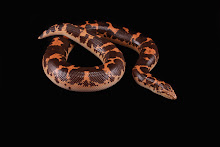
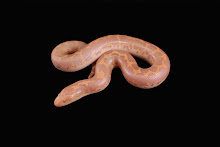
We began collecting Kenyan Sand Boas initially as a way to conquer our fear of snakes. Then we discovered that the whole family enjoyed the care and handling of Kenyans. It has exploded from there. We like this particular breed of snakes because we have a younger family. These East African Sand Boas are smaller, slower than the other breeds of snakes available, easy to care for and relatively new to the US pet trade with new morphs being introduced every year.


CLICK ON ANY PICTURE TO SEE IT FULL SIZE


VISIT OUR WEBSITE AT http://www.sandboamorphs.com/


Thursday, June 30, 2011

Atlanta Repticon Next Weekend 7/9-7/10

We will be vending at the Repticon Atlanta show next weekend, July 9th and 10th. http://www.repticon.com/

We have worked all winter and spring to put together a great collection of kenyan sand boas for sale.

We have run out of space for adult females and we will be bring about 5 ready to breed female kenyan sand boas for those of you who are dying to breed this year. Buy them next Saturday and have babies by November!

In addition, we have for sale, snow paradoxes, rufescens, stripes, albinos, anerys, nuclear crosses, and normals of various hets.

We can't wait to see you!

Mark and Jenn

Monday, June 27, 2011

Nuclear Crosses

Friday we had a litter of 23 baby Nuclear crosses!

Sunday, June 26, 2011

Nuclears color up as they age....

Here's a picture of the first nuclear baby born last Saturday to shed.


Above/Below: This is a female nuclear Kenyan sand boa


Below: This is a male Nuclear Kenyan sand boa born in August of 2010. His coloring was similiar to the above Nuclear at birth....every month their color seems to get richer and more nuclear orange .


Saturday, June 25, 2011

Anery Holdbacks


Above is a 2009 Anery Reduced Patterned Female we plan on breeding at the end of the year.


Above and Below: Meet the black and white boys....our future breeder anery reduced patterned males

Friday, June 24, 2011

Babies and more babies!

Here are some of our new babies the nuclear is blue (prior to shedding) and the anery stripes are just minutes old.  We also wanted to share with you what a slug (undeveloped snake) looked like. We will have many more images forthcoming so come back soon!

The above shot is a litter of 7 from breeding a Snow female to a Stripe het Anery (now proven!)....The two anery stripes (white stripes) are also het for albino (ie snow) which means by breeding one of these anery stripes to a snow, we will get litters including anery stripes, albino stripes and snow stripes next year. There is also a normal stripe that is double het (albino/anery) and if bred to a snow or a het would give you litters of snow stripes, albino stripes and anery stripes. The rest of the litter are all also double hets. It looks like all three stripes are males so we should have at least one for sale......If anyone would like to make albino, snow or anery stripes next season let me know Mark@LHAlegal.com 


Anery Stripes het for albino...aka SNOW!


Birth images


Slug.........boooooo...it happens.

Reduced Pattern Nucular Babies in blue (pre-shed)

The nuclear above was the most reduced patterned of the entire litter. Its in shed right now but is coloring up everyday and we anticipate its first shed sometime this week. After we get a couple pinkies down these nuclears we'll sex them and let everyone know how many and what ratios for sale.

This is the second most reduced nuclear of the litter of 15. I was asked via facebook (www.facebook.com/sandboamorphs) why I selected the most reduced patterned nuclears from the litter and not the most 'nuclear' colored litters to feature. The answer is because our nuclear collection is such an incredible nuclear color that I am confidant all of them will color up to the 'nuclear' color but the reduction in pattern isn't going to change as they get older so it is the most important characteristic at this stage. There is no real telling how nice of an orange they will have until they are 6-9 months old. Kenyan Sand Boas 'color up' as they age for the first year or so. If you've bought a nice baby orange Kenyan Sand Boa from me and it seems like it is getting prettier as it ages....that's normal....and we don't even charge extra for it!

We will be at the Atlanta Repticon Show July 9th and 10th...come see us! Mark@LHALegal.com

Sunday, June 19, 2011

Nuclear Babies Have Arrived!!!!!

Yesterday morning while we were getting packed up for the Dixie Reptile Show we noticed the familiar humidity sign of birth in the nuclear females tub. Sure enough, 15 little nuclear babies were cruising around. We hurriedly scooped them out and put them in some shoe boxes and headed out.

After getting unpacked last night I finally found some time to take a look at them....


These are the most reduced we've ever produced. Especially, the one front left, we're very excited to watch them start coloring up to the brilliant nuclear color of their parents!


We have no reason to expect them to be anything but as brilliant as their parents! We don't expect to sell many from this litter but if you are interested please let me know. Mark@LHALegal.com

Wednesday, June 8, 2011

Indian Sand Boa

Here is an image of Jennifer's adult female Sunset Indian Sand Boa.  She is  protective of her and doesn't seem to care to much for men. Actually, we have only found one male that she has even considered to be nice too.  The Indians seem to be intelligent and aware of their surroundings.


Tuesday, June 7, 2011

A more natural setting

Many times people ask us what we would recommend for a more natural tank setup.  We recommend using burrowing sand from a pet store.  Pour some into a bucket and add water slowly and mix (kind of like mixing concerete).  Put in the bottom of your tank or atop of the green or brown reptile carpet.  Put in whatever decor you like and let it dry overnight. Here are a few images for you to see what it would look like. The Kenyan Sand Boas seem to happy on it.  They eat, breed, and shed well on it which are all good signs!

You can add a solid black background to make it micmic nightime since they are nocturnal.


Saturday, June 4, 2011

Meet our Arabian Sand Boa

Here is a new welcomed addition to our collection of sand boas. It is an Arabian Sand Boa.  They are unique from the Kenyan Sand Boas in that they are egg layers and their eyes are atop their head. Instead of having ambush holes just their eyes penetrate the sand to ambush their prey.


Box Turtle Rescue

Mark rescued this box turtle from the middle of the busy road this week. He brought it home for the kids to see and teach the kids about. Once again, Jennifer took pictures of it for you and our good friend Terry Heuring to see. He had actually requested that we post some turtle images so I guess sometimes opportunies just present themselves. Catching and releasing is quite a fun hobby.